
Heritage Site Scaffolding
Heritage buildings don’t accommodate compromises. The fabric of a Grade II-listed facade, a Victorian masonry structure, or a National Trust property undergoing restoration places constraints that standard scaffolding solutions simply can’t meet.
The scaffold must work around the building’s history, its vulnerabilities, and often its continued occupation – all at the same time.
This is where scaffolding moves from access provision to engineering partnership
Heritage scaffolding often moves beyond standard access provision and into temporary works engineering. Many listed buildings are structurally fragile before restoration begins, with water ingress, masonry decay, unstable facades, and deteriorating elements that cannot tolerate conventional scaffold loading.
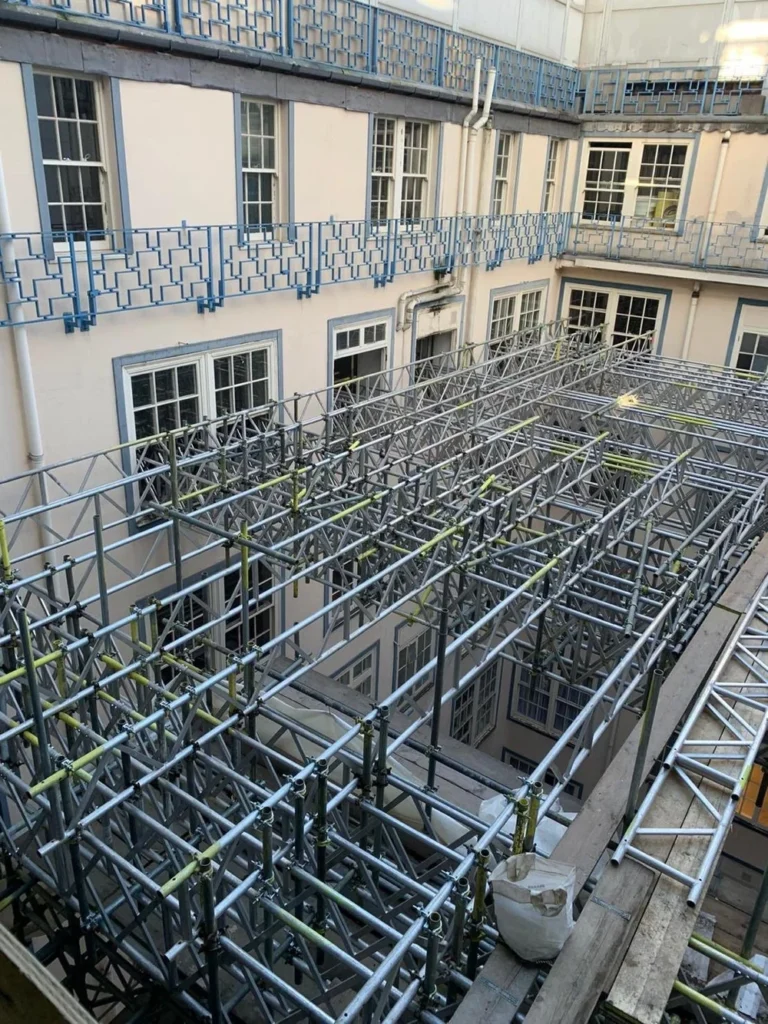
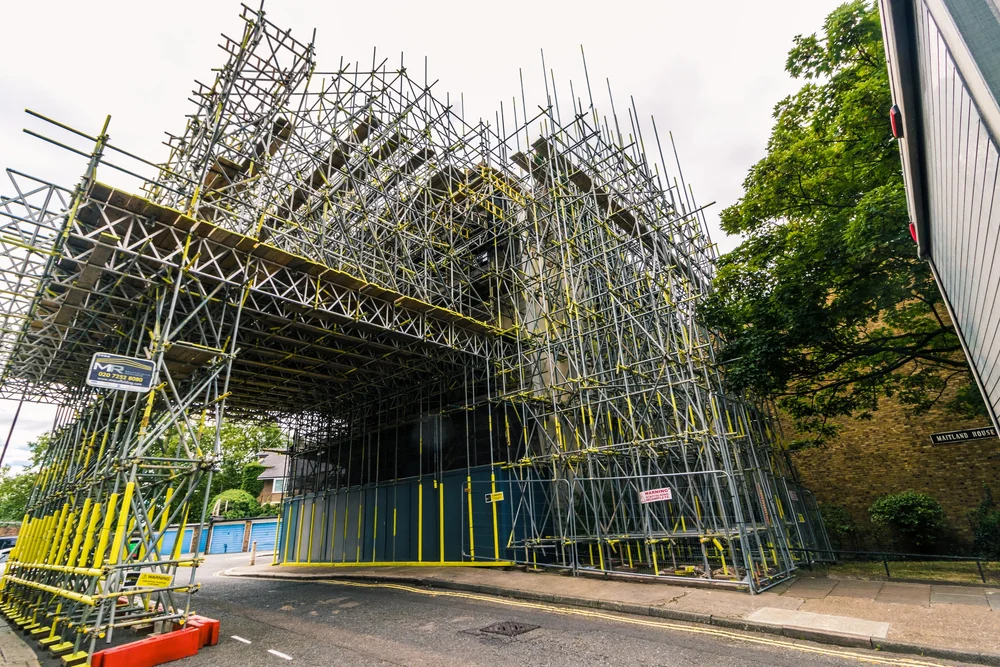
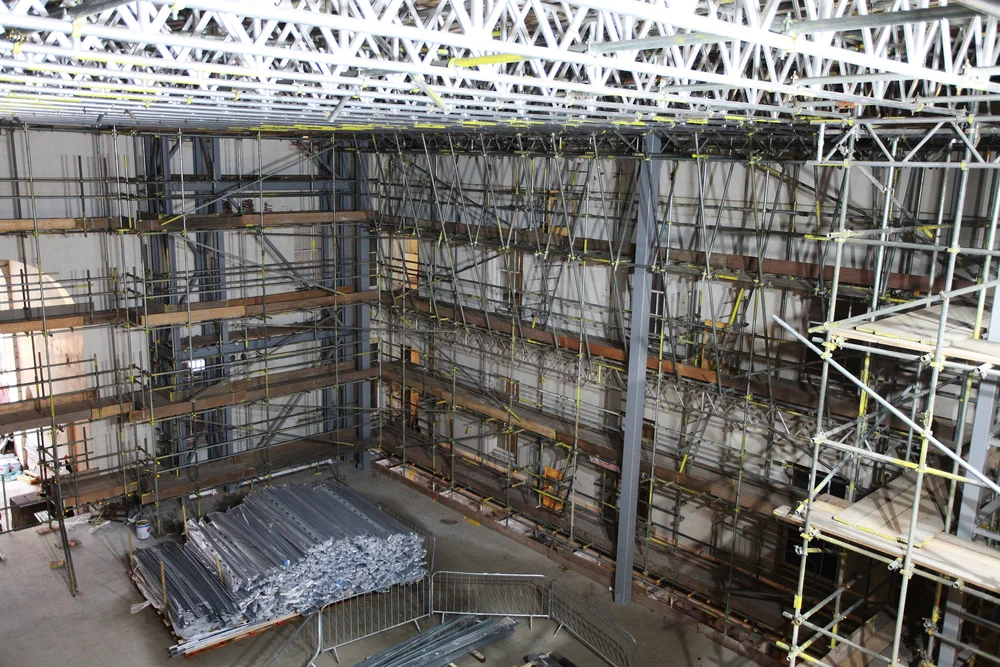
Related case studies
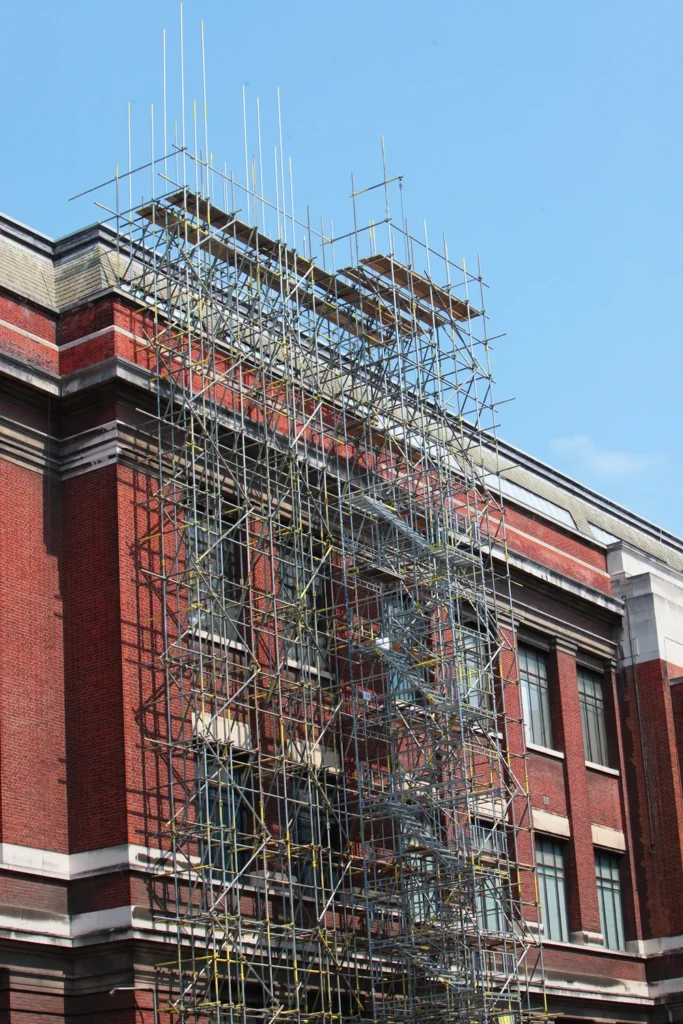
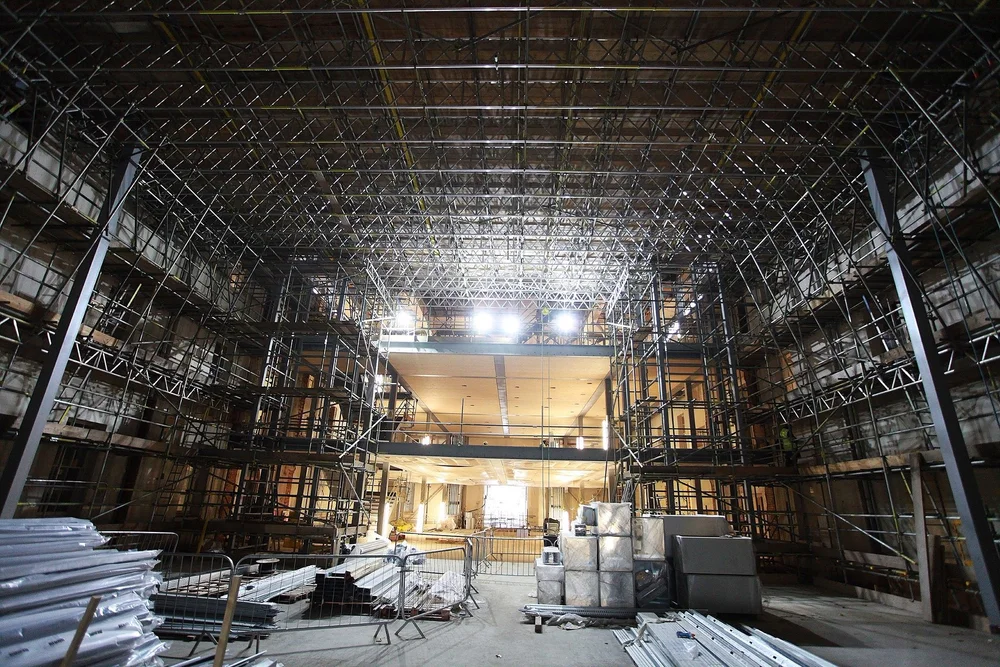
Russell Hotel, Bloomsbury
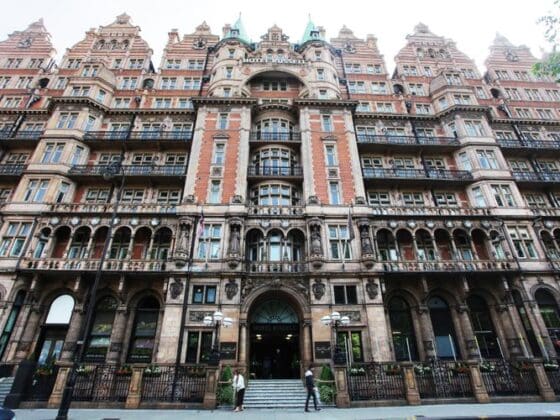
Russell Hotel, Bloomsbury
A Grade II* listed Victorian landmark on Russell Square. The Russell Hotel required engineering solutions as ambitious as the building itself.
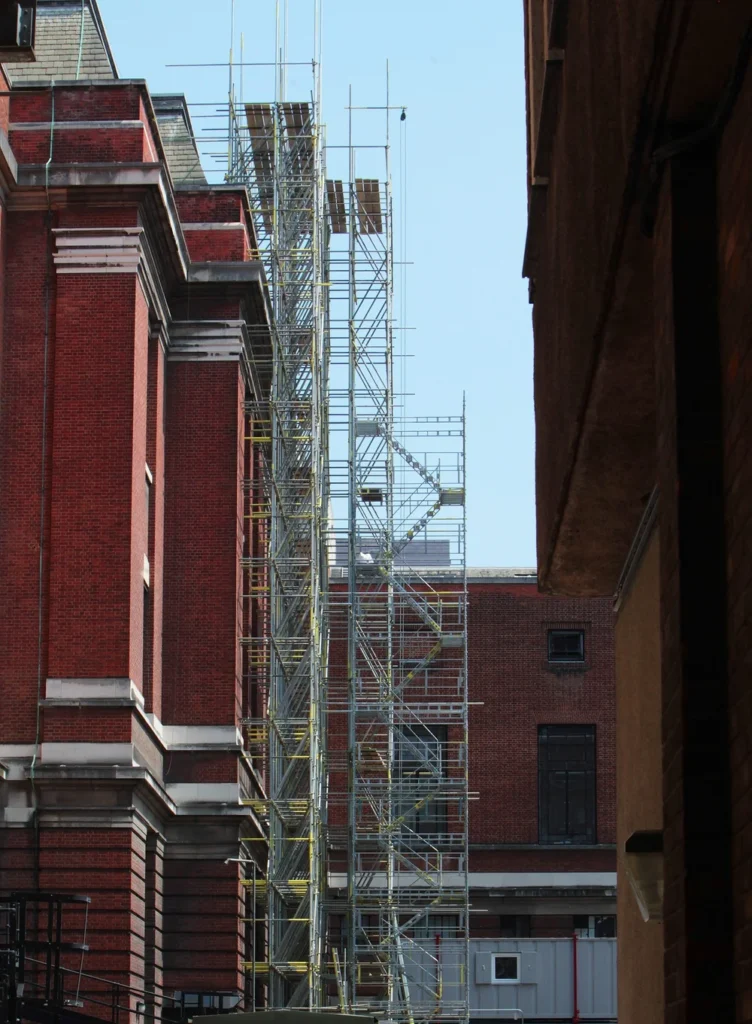
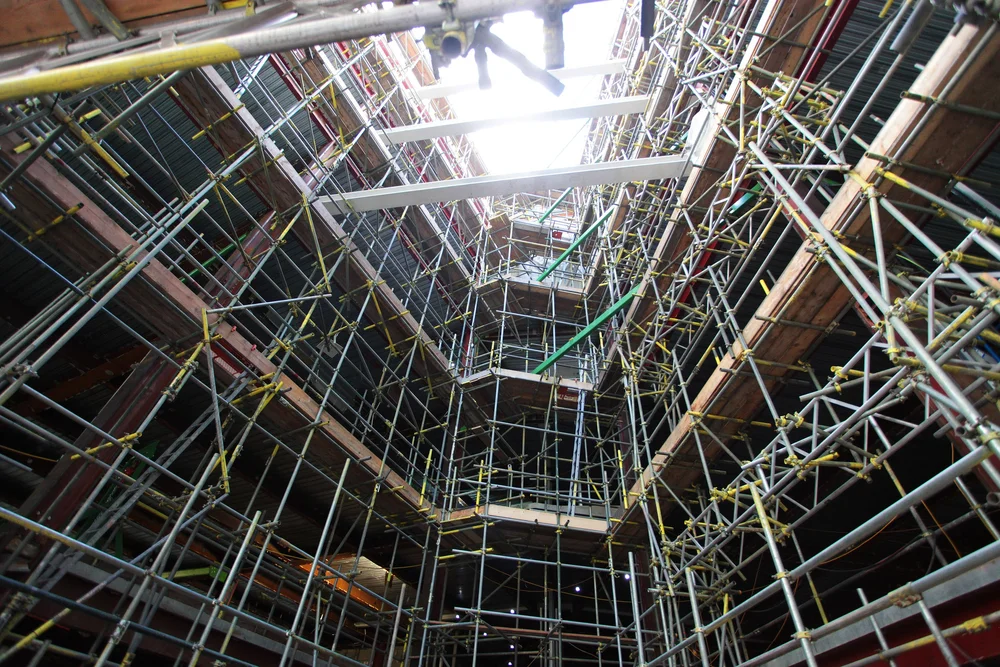
63 St James Street
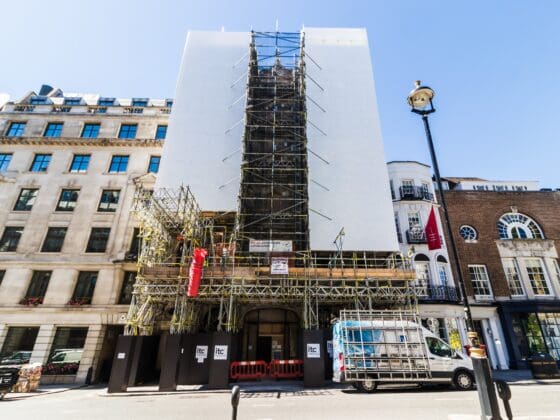
63 St James Street
A 135-year-old building in one of London's most tightly governed conservation areas, where the age of the fabric ruled out scaffolding to the side and rear elevations entirely. The access solution had to be redesigned before a single tube went up.
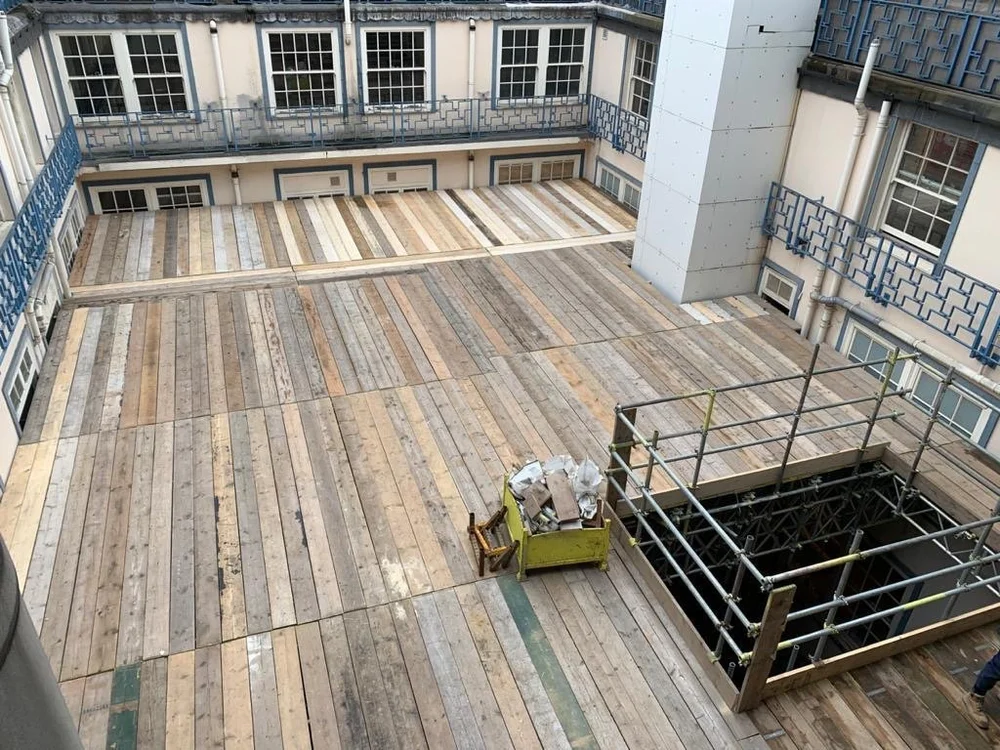
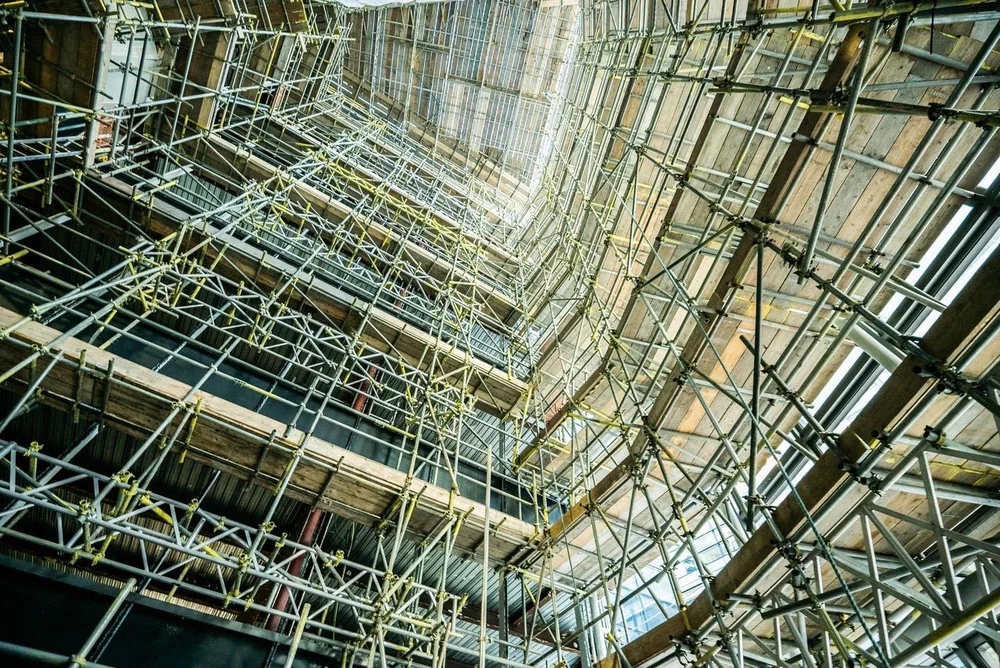
73-75 Grosvenor Street
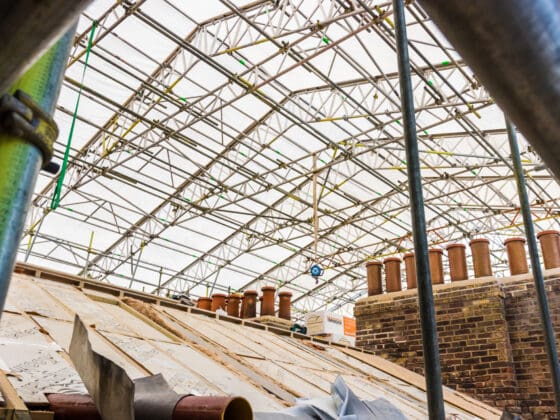
73-75 Grosvenor Street
Three Grade II listed townhouses built in the 1720s, seven distinct structures hidden behind their Mayfair façades, and a construction sequence that had to be rebuilt when the walls revealed their true condition. This was heritage refurbishment at its most demanding.
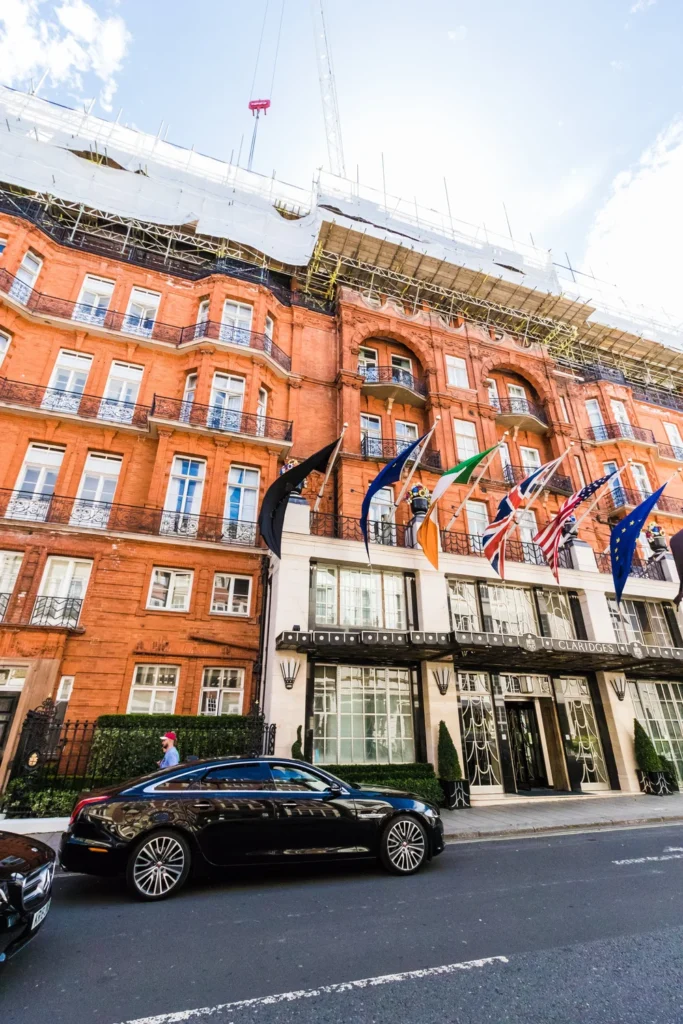
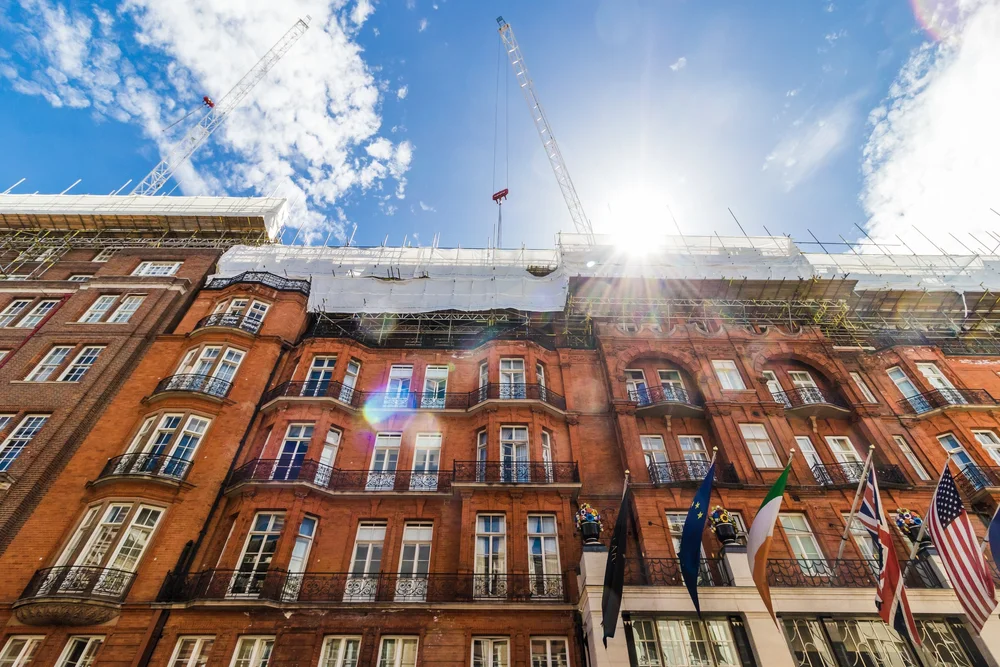
Claridge’s Hotel, Mayfair
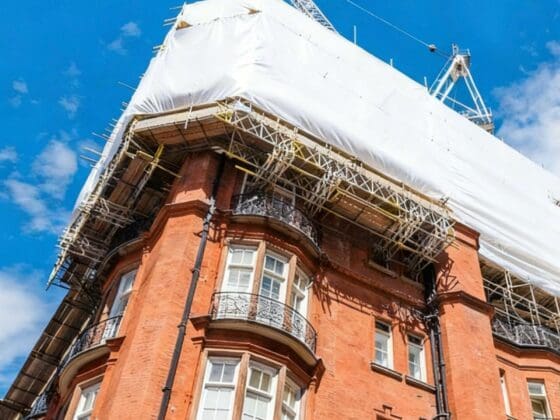
Claridge’s Hotel, Mayfair
When Maybourne Hotel Group decided to add three floors to Claridge's iconic roofline and excavate five basement levels beneath the Art Deco wing, all while keeping the Grade I listed hotel fully operational, the scaffolding brief was unlike anything a standard perimeter wrap could deliver.